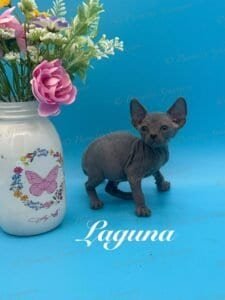
Sphynx Cat Health
Sphynx cats are a unique and beloved breed known for their affectionate personalities and distinct hairless appearance. While they make wonderful pets, Sphynx cats have specific health needs that owners should be aware of to keep them healthy and happy. Understanding the common health issues that can affect Sphynx cats can help you provide the best care and address any concerns early. This guide covers the most common Sphynx cat common health issues and offers tips on how to manage and prevent them.

1. Hypertrophic Cardiomyopathy (HCM)
Hypertrophic Cardiomyopathy (HCM) is the most common heart disease in cats and an important concern in Sphynx cats. HCM causes thickening of the heart muscle and may be silent early in its course. Genetics appear to contribute to risk, but the cause is not fully defined. Echocardiography is the gold-standard imaging test for diagnosis.
Symptoms of HCM
- Lethargy or decreased activity
- Difficulty breathing or rapid breathing
- Loss of appetite
- Sudden collapse (in severe cases)
Preventing and Managing HCM
While there is no known cure for HCM, diagnosis and monitoring can help guide care. There is no single echocardiography schedule that fits every pet Sphynx; timing should be individualized with the veterinarian based on age, family history, exam findings, and symptoms. If HCM is diagnosed, treatment depends on the cat’s specific cardiac findings and clinical signs.
Learn more about Sphynx Cat Heart Health and what to expect during heart screenings.
2. Skin Issues and Sensitivities
Due to their lack of fur, Sphynx cats are prone to a variety of skin issues. Without fur to absorb natural oils, their skin can accumulate dirt and oil, which can lead to skin irritation, rashes, or infections.
Common Skin Concerns
- Oil Buildup: Sphynx cats produce skin oils that can collect on the skin and in folds. Frequent full baths are not always necessary and can sometimes contribute to dryness or rebound oiliness. For routine cleanup, a warm soapy cloth can be used when your Sphynx is dirty, with full baths reserved for heavier buildup or messes as needed.
- Dryness: Some Sphynx cats experience dry, flaky skin, particularly in colder months or if they are bathed too frequently.
- Rashes and Irritations: Skin folds around the legs, belly, and neck can trap dirt and moisture, leading to rashes or irritation.
Caring for Sphynx Skin
For routine skin care, wipe dirty or oily areas with a warm, soapy cloth as needed rather than automatically bathing on a weekly schedule. When a full bath is necessary for heavier buildup or a serious mess, use a gentle cat-safe cleanser, rinse thoroughly, and dry the skin and folds well afterward. If your cat develops persistent oiliness, irritation, odor, or skin lesions, ask your veterinarian to rule out an underlying skin problem.
Explore our full Sphynx Cat Skin Health and Grooming Guide.
3. Respiratory Issues
Sphynx cats may be more susceptible to respiratory infections, especially as kittens. This is because they lack the nasal defenses provided by fur, making them more vulnerable to colds, upper respiratory infections, and other respiratory issues.
Symptoms of Respiratory Infections
- Sneezing or coughing
- Nasal discharge
- Watery eyes
- Decreased appetite
Preventing Respiratory Issues
Keeping your Sphynx in a clean, dust-free environment can help prevent respiratory issues. Regular vaccinations are also essential to protect them from common feline viruses. If your Sphynx shows signs of a respiratory infection, consult your veterinarian promptly for appropriate treatment.
4. Dental Disease
Dental health is crucial for Sphynx cats, as they are prone to gingivitis and periodontal disease. Without regular dental care, plaque and tartar buildup can lead to painful gum infections, tooth loss, and even systemic infections.
Symptoms of Dental Issues
- Bad breath
- Red or swollen gums
- Difficulty eating or chewing
- Excessive drooling
Maintaining Dental Health
Regular dental care, including brushing your cat’s teeth 2-3 times per week, can help prevent dental disease. Annual veterinary dental checkups and cleanings may also be necessary, particularly as your Sphynx cat ages.
For tips on dental care, visit our Sphynx Cat Dental Care Guide.
5. Sunburn and Temperature Sensitivity
Because Sphynx cats lack fur, they are sensitive to extreme temperatures and prone to sunburn. Direct exposure to sunlight can cause their skin to burn, which can be painful and increase the risk of skin cancer over time. They are also more susceptible to the cold and require extra warmth in cooler environments.
Preventing Sunburn
- Limit Sun Exposure: Avoid leaving your Sphynx in direct sunlight for extended periods, especially during peak sun hours.
- Use Cat-Safe Sunscreen: Apply a vet-approved sunscreen to exposed areas if your cat will be outdoors.
Keeping Warm
Provide warm, cozy bedding and consider using cat-safe heating pads or heated beds during colder months to help your Sphynx maintain a comfortable body temperature.
Learn more about how to Keep Your Sphynx Cat Warm.
6. Obesity and Nutritional Needs
Sphynx cats have a high metabolism, but they are also prone to overeating, which can lead to obesity if not managed properly. Obesity puts additional strain on their heart and joints and can lead to other health issues over time.
Managing a Healthy Weight
- High-Quality Diet: Feed your Sphynx a balanced, high-protein diet that meets their unique energy needs.
- Portion Control: Avoid overfeeding and stick to recommended portion sizes. Feeding multiple small meals throughout the day can help prevent overeating.
Monitoring Weight
Regular weight monitoring and maintaining an active lifestyle with play and exercise can help prevent obesity. Consult your vet for dietary recommendations if you’re concerned about your Sphynx’s weight.
For more on diet, see our Sphynx Cat Feeding Schedule and Nutrition Tips.
7. Digestive Sensitivities
Some Sphynx cats are known to have sensitive stomachs and may experience digestive issues such as vomiting or diarrhea. This sensitivity may be due to food allergies, intolerance, or an underlying gastrointestinal condition.
Identifying Food Sensitivities
If your Sphynx exhibits signs of digestive distress, such as vomiting or diarrhea, your vet may recommend an elimination diet to identify potential food allergies. It’s important to choose a high-quality, easily digestible diet that meets their nutritional needs without causing irritation.
Consult Your Vet
Always consult your vet before making major changes to your cat’s diet. If digestive issues persist, your vet may recommend additional tests to diagnose any underlying conditions.
Conclusion
Caring for a Sphynx cat requires attention to their unique health needs, including regular vet checkups and preventive care for common health issues. By staying vigilant and proactive about their health, you can help your Sphynx cat live a happy and healthy life. From heart screenings and skin care to dental health and weight management, providing a comprehensive approach to their well-being will ensure your hairless companion thrives for years to come.
Check out our Available Kittens Page and follow us on Facebook.